
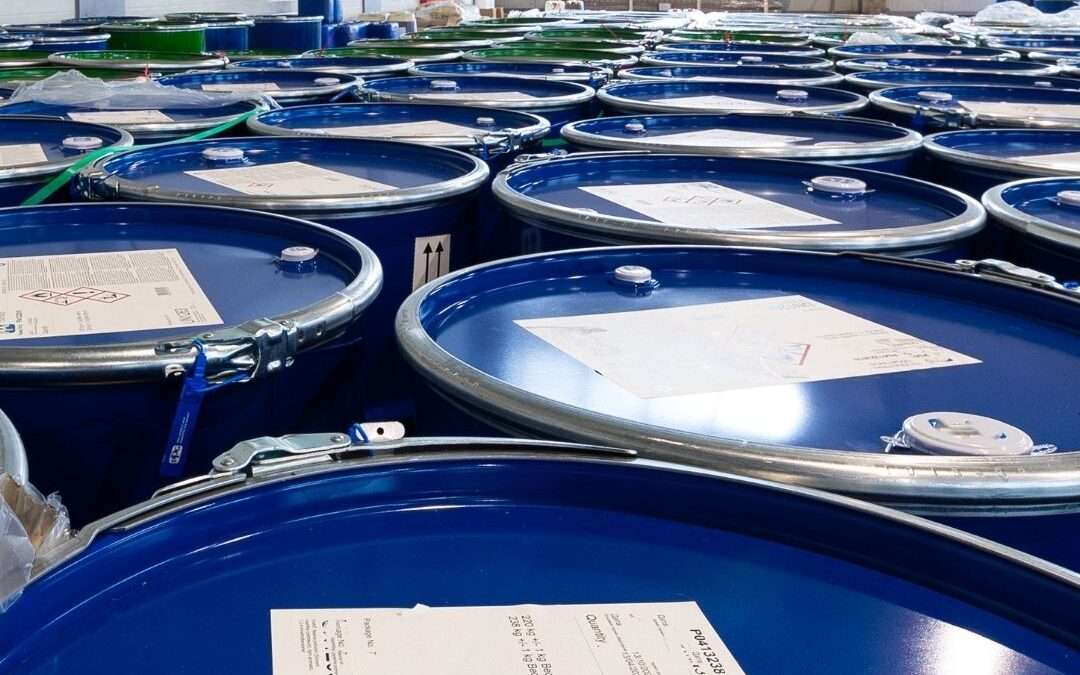
Hazard lists and regulatory lists for chemicals
Hazard lists and regulatory lists for chemicals
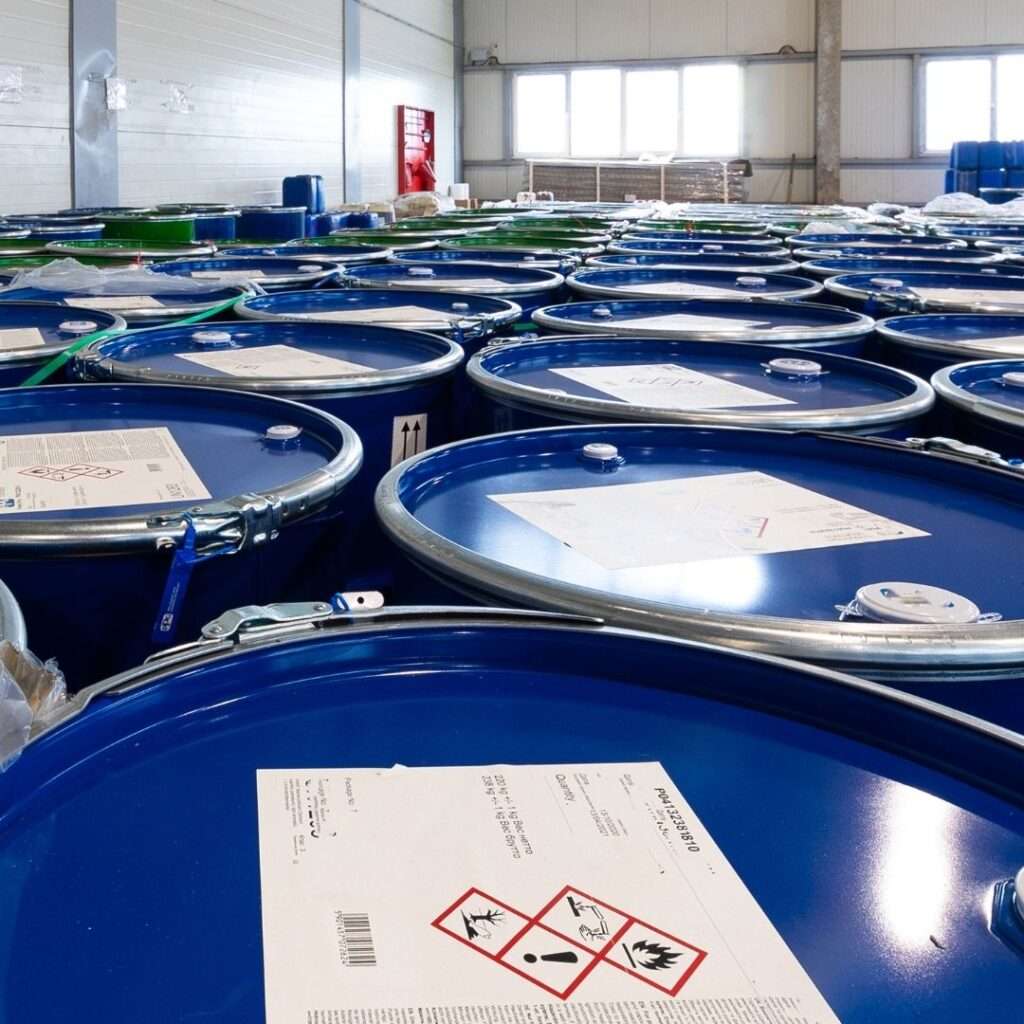
In chemical management, having an overview is crucial. Organisations must know which chemicals are in use, what inherent hazards they present, and which legal requirements apply. To manage chemical risks in a systematic and documentable way, a number of hazard lists and regulatory lists have been established.
Hazard lists and regulatory lists identify substances with particularly hazardous properties, regulate their use and placing on the market, and provide guidance for substitution, reporting, and risk assessment. This article explains what these lists are, how they relate to each other, and what they mean in practice.
What is meant by hazard lists and regulatory lists?
Hazard lists and regulatory lists are two closely connected mechanisms within chemicals legislation. Hazard lists identify substances with particularly problematic properties. Regulatory lists set out specific legal requirements related to these substances, such as information obligations, authorisation requirements, or prohibitions.
For organisations, this means they must both understand the risks associated with the substances they use and be aware of the legal obligations that apply. Together, the lists form the basis for sound chemical management and compliance with regulatory requirements.
The difference between hazard and regulation
Hazard relates to the inherent properties of a substance, for example whether it is carcinogenic, toxic for reproduction, or persistent in the environment. Regulation concerns the legal consequences of these properties.
A substance may be hazardous without being prohibited, yet still be subject to information obligations or expectations of phase-out. This distinction is essential for correct risk assessment and compliance.
Hazard lists
Hazard lists are based on scientific assessments and are used to identify substances that should be prioritised in risk assessment and substitution efforts. Typical criteria include:
- CMR properties (carcinogenic, mutagenic, or toxic for reproduction)
- PBT/vPvB (persistent, bioaccumulative, and toxic substances)
- Endocrine-disrupting properties
Hazard lists function as an early warning system. Inclusion does not necessarily mean prohibition but signals increased regulatory attention.
Examples of hazard lists
- Harmonised classification — CLP Annex VI
- The IARC list (cancer hazard)
- PBT and vPvB identification
Regulatory lists
Regulatory lists are directly anchored in legislation and specify which substances are subject to concrete requirements or prohibitions.
The central framework in the EU and EEA is the REACH Regulation. REACH is based on the principle that companies themselves are responsible for documenting safe use (“No data – no market”).
Examples of regulatory lists
- REACH Candidate List
- Authorisation List
- Restriction List
- Norwegian Priority List
How hazard lists and regulatory lists are connected
Regulation often occurs stepwise: a substance is first identified as problematic, placed on a candidate list, and may later become subject to authorisation or restrictions.
For organisations, this means chemical management is dynamic. A substance that today appears only on a hazard list may later become strictly regulated. This requires continuous oversight.
REACH’s three key lists
Candidate List (SVHC List)
The candidate list contains substances identified as SVHC (Substances of Very High Concern), i.e. substances with particularly serious properties. These can, for example, be carcinogenic, harmful to reproduction, persistent and bioaccumulative or endocrine disruptors.
When a substance is added to the candidate list, a duty of disclosure is triggered. In other words, the supplier must provide information about the presence of such substances above certain concentration limits. In addition, it creates a clear expectation that companies consider the substitution of products containing such substances. The candidate list therefore serves as an initial warning that stricter measures may be forthcoming.
Authorisation List
The authorisation list (REACH Annex XIV) contains substances that cannot be used without specific authorisation. Authorisation requires a comprehensive application, documentation of risk and assessment of alternative solutions.
If a substance is included on the Authorisation List, it is a clear signal that it is being phased out of the market. For many organisations, this means substitution becomes the most realistic solution in practice.
Restriction List
The restriction list (REACH Annex XVII) contains specific restrictions or bans on certain substances or areas of use. Restrictions may, for example, be that a substance is not permitted in consumer products, that concentration limits apply, or that its use is restricted to certain industries.
Norwegian Priority List
Norway also has a national priority list of pollutants that is managed by the Norwegian Environment Agency. The list is actively used in inspections and can often be stricter than the EU’s minimum requirements.
Today, the list includes 85 substances and substance groups, including:
- Heavy metals: Persistent metals that can accumulate in organisms and cause serious health and environmental damage.
- Endocrine-disrupting substances: Affect the hormonal system and may cause reproductive and developmental harm.
- Flame retardants: Used to reduce fire risk, but several are persistent and bioaccumulative.
- Per- and polyfluoroalkyl substances (PFAS): Highly persistent substances that degrade slowly and can accumulate in the environment and humans.
- Organotin compounds: Toxic substances that can harm aquatic organisms and affect the hormonal system.
- Polycyclic aromatic hydrocarbons (PAHs): Compounds often formed during combustion, several of which are carcinogenic.
- UV stabilisers: Used to protect materials from sunlight; some are persistent and potentially endocrine disrupting.
- Dioxins and furans: Highly toxic and persistent compounds that can form as by-products in industrial processes.
- Siloxanes: Used in cosmetics and technical products; some are highly persistent and bioaccumulative.
- Chlorinated organic substances: Often persistent and bioaccumulative compounds with significant environmental and health risks.
- Other organic substances: A collective group for organic compounds with serious and long-term environmental effects.
New substances are continuously assessed, and the list is updated on an ongoing basis.
Hazard lists and regulatory lists give businesses insight into both risk and regulation. Understanding the difference between the inherent properties of substances and the legal framework that applies makes it easier to make the right choices in practice. Chemical management is constantly evolving. New substances are assessed, lists are updated and requirements change. To maintain control, companies must have an up-to-date overview, structured documentation and good systems for assessment. Digital solutions such as Workplace Safety bring this information together in one place and make it easier to work systematically with safe and forward-looking chemical management.