Working with chemicals places high demands on safety, knowledge, and thorough procedures. The correct use of protective equipment is essential for protecting employees from health hazards and preventing accidents in the workplace. In this article, we explain why protective equipment is so important, the types that exist, and how to choose the right protection when handling chemicals.
The importance of protective equipment when handling chemicals
When working with chemicals, risks must primarily be prevented through technical and organisational measures. If the risk cannot be eliminated or sufficiently reduced through such measures, personal protective equipment (PPE) must be used.
Protective equipment acts as a barrier between the worker and hazardous chemicals and aims to prevent injuries. Missing or incorrect use of protective equipment can lead to exposure to chemicals that can have serious consequences. That is why it is important that companies have clear procedures for when and how to use protective equipment, and that employees have the necessary knowledge about the risks associated with the chemicals they work with.
Working with chemicals and the use of protective equipment are regulated through various occupational health and safety requirements, including national workplace safety legislation as well as international regulations such as REACH and CLP regulations.
Different types of protective equipment and measures when working with chemicals
Measures to reduce risks when handling chemicals can be divided into technical measures, organisational measures, and personal protective equipment. Technical and organisational measures should always be considered first.
Organisational measures
Organisational measures concern how work is planned, organised, and carried out in order to reduce risk when handling chemicals. Such measures help ensure that employees have the right knowledge, safe procedures, and clear work processes.
Examples of organisational measures:
Risk assessment: Mapping and assessment of risks associated with the use, storage and handling of chemicals. The risk assessment forms the basis for which measures and protective equipment are required.
Safe job analysis (SJA): A systematic review of work tasks before work starts, to identify hazards and ensure that necessary measures are in place.
Training and competence: Employees must be adequately trained in chemicals and associated hazards, use of protective equipment and safe handling.
Routines and procedures: Clear procedures for handling, storing, labelling and disposing of chemicals help reduce the risk of errors and accidents.
Access to safety data sheets: Employees must have easy access to up-to-date SDSs describing hazards, necessary measures and proper use of protective equipment.
Technical measures
Technical measures aim to reduce or eliminate exposure to hazardous chemicals at the source. Such measures contribute to a safer working environment for everyone in the area and can reduce the need for personal protective equipment.
Examples of technical measures:
Ventilation and local exhaust extraction: Removes hazardous vapours, gases, and particles from the work area before they can be inhaled. Effective ventilation reduces exposure and improves air quality.
Fume cupboards: Used when working with volatile or hazardous chemicals to prevent vapours and aerosols from spreading in the room. They protect both the user and the surrounding environment.
Closed systems and process enclosure: Prevent direct contact with chemicals by keeping processes physically contained. This reduces the risk of spills, leaks, and exposure.
Splash shields and barriers: Protect against splashes and unintended contact with hazardous substances during work. They help limit the consequences if an incident occurs.
Emergency and eyewash showers: Provide the possibility for rapid rinsing in case of exposure to chemicals. Quick access can significantly reduce the extent of injury.
Personal protective equipment
PPE is used when risks cannot be eliminated or sufficiently reduced through other measures. This is equipment used by the individual employee and must be suited to both the work task and the chemicals being handled.
Examples of personal protective equipment:
Respiratory protective equipment: Protects against the inhalation of harmful gases, vapours, dust, or aerosols. The correct type and filter must be selected based on the risk.
Eye and face protection: Prevents splashes and particles from coming into contact with the eyes and face. Used where there is a risk of chemical splashes or flying particles.
Gloves: Protect the hands from direct contact with chemicals and help prevent skin damage. The choice of material must be suited to the substances being handled.
Footwear: Chemical-resistant and slip-resistant footwear protects the feet from spills and provides safer movement in the work area.
Protective clothing: Protects the skin and body from splashes, spills, and exposure. This can range from aprons to full chemical protective suits, depending on the level of risk.
Choosing the right protective equipment
When selecting protective equipment, a thorough risk assessment should first be carried out. What type of work will be performed? What are the possible consequences? How likely is exposure? These questions form the basis for choosing appropriate protective equipment.
The risk assessment should take several factors into account:
Which chemicals are used, and how are they classified?
How can exposure occur, for example through splashes, inhalation, or skin contact?
How long does the work operation last, and how often is it carried out?
What is the working environment like, for example in terms of ventilation, temperature, and available space?
Can a combination of several chemicals or processes increase the risk?
The employer is responsible for ensuring that the necessary protective equipment is available in the workplace and that employees receive the required training in how to use it. Employees, in turn, are responsible for using the protective equipment as they have been trained and for reporting if the equipment does not meet requirements or has faults or deficiencies.
Chemical management system as support for safe chemical handling
A system for managing chemicals can simplify and streamline the work related to protective equipment and documentation. With systems such as Workplace Safety, organisations can:
Gain a complete overview of the chemicals used in the organisation
Access recommended protective equipment from safety data sheets
Ensure access to up-to-date safety data sheets
Document risk assessments and training
Communicate necessary measures to employees
By gathering information in one place, it becomes easier to ensure compliance with requirements and to work systematically with safety.
Proper handling of chemicals requires a comprehensive approach to safety. By combining technical measures, organisational measures, and the correct use of personal protective equipment, organisations can reduce risks and prevent health hazards. Accurate risk assessments, clear procedures, and adequate training are essential to ensure a safe working environment. When measures and protective equipment are used correctly, they provide the foundation for a safe and responsible working day when working with chemicals.
In chemical management, having an overview is crucial. Organisations must know which chemicals are in use, what inherent hazards they present, and which legal requirements apply. To manage chemical risks in a systematic and documentable way, a number of hazard lists and regulatory lists have been established.
Hazard lists and regulatory lists identify substances with particularly hazardous properties, regulate their use and placing on the market, and provide guidance for substitution, reporting, and risk assessment. This article explains what these lists are, how they relate to each other, and what they mean in practice.
What is meant by hazard lists and regulatory lists?
Hazard lists and regulatory lists are two closely connected mechanisms within chemicals legislation. Hazard lists identify substances with particularly problematic properties. Regulatory lists set out specific legal requirements related to these substances, such as information obligations, authorisation requirements, or prohibitions.
For organisations, this means they must both understand the risks associated with the substances they use and be aware of the legal obligations that apply. Together, the lists form the basis for sound chemical management and compliance with regulatory requirements.
The difference between hazard and regulation
Hazard relates to the inherent properties of a substance, for example whether it is carcinogenic, toxic for reproduction, or persistent in the environment. Regulation concerns the legal consequences of these properties.
A substance may be hazardous without being prohibited, yet still be subject to information obligations or expectations of phase-out. This distinction is essential for correct risk assessment and compliance.
Hazard lists
Hazard lists are based on scientific assessments and are used to identify substances that should be prioritised in risk assessment and substitution efforts. Typical criteria include:
CMR properties (carcinogenic, mutagenic, or toxic for reproduction)
PBT/vPvB (persistent, bioaccumulative, and toxic substances)
Endocrine-disrupting properties
Hazard lists function as an early warning system. Inclusion does not necessarily mean prohibition but signals increased regulatory attention.
Examples of hazard lists
Harmonised classification — CLP Annex VI
The IARC list (cancer hazard)
PBT and vPvB identification
Regulatory lists
Regulatory lists are directly anchored in legislation and specify which substances are subject to concrete requirements or prohibitions.
The central framework in the EU and EEA is the REACH Regulation. REACH is based on the principle that companies themselves are responsible for documenting safe use (“No data – no market”).
Examples of regulatory lists
REACH Candidate List
Authorisation List
Restriction List
Norwegian Priority List
How hazard lists and regulatory lists are connected
Regulation often occurs stepwise: a substance is first identified as problematic, placed on a candidate list, and may later become subject to authorisation or restrictions.
For organisations, this means chemical management is dynamic. A substance that today appears only on a hazard list may later become strictly regulated. This requires continuous oversight.
REACH’s three key lists
Candidate List (SVHC List)
The candidate list contains substances identified as SVHC (Substances of Very High Concern), i.e. substances with particularly serious properties. These can, for example, be carcinogenic, harmful to reproduction, persistent and bioaccumulative or endocrine disruptors.
When a substance is added to the candidate list, a duty of disclosure is triggered. In other words, the supplier must provide information about the presence of such substances above certain concentration limits. In addition, it creates a clear expectation that companies consider the substitution of products containing such substances. The candidate list therefore serves as an initial warning that stricter measures may be forthcoming.
Authorisation List
The authorisation list (REACH Annex XIV) contains substances that cannot be used without specific authorisation. Authorisation requires a comprehensive application, documentation of risk and assessment of alternative solutions.
If a substance is included on the Authorisation List, it is a clear signal that it is being phased out of the market. For many organisations, this means substitution becomes the most realistic solution in practice.
Restriction List
The restriction list (REACH Annex XVII) contains specific restrictions or bans on certain substances or areas of use. Restrictions may, for example, be that a substance is not permitted in consumer products, that concentration limits apply, or that its use is restricted to certain industries.
Norwegian Priority List
Norway also has a national priority list of pollutants that is managed by the Norwegian Environment Agency. The list is actively used in inspections and can often be stricter than the EU’s minimum requirements.
Today, the list includes 85 substances and substance groups, including:
Heavy metals: Persistent metals that can accumulate in organisms and cause serious health and environmental damage.
Endocrine-disrupting substances: Affect the hormonal system and may cause reproductive and developmental harm.
Flame retardants: Used to reduce fire risk, but several are persistent and bioaccumulative.
Per- and polyfluoroalkyl substances (PFAS): Highly persistent substances that degrade slowly and can accumulate in the environment and humans.
Organotin compounds: Toxic substances that can harm aquatic organisms and affect the hormonal system.
Polycyclic aromatic hydrocarbons (PAHs): Compounds often formed during combustion, several of which are carcinogenic.
UV stabilisers: Used to protect materials from sunlight; some are persistent and potentially endocrine disrupting.
Dioxins and furans: Highly toxic and persistent compounds that can form as by-products in industrial processes.
Siloxanes: Used in cosmetics and technical products; some are highly persistent and bioaccumulative.
Chlorinated organic substances: Often persistent and bioaccumulative compounds with significant environmental and health risks.
Other organic substances: A collective group for organic compounds with serious and long-term environmental effects.
New substances are continuously assessed, and the list is updated on an ongoing basis.
Hazard lists and regulatory lists give businesses insight into both risk and regulation. Understanding the difference between the inherent properties of substances and the legal framework that applies makes it easier to make the right choices in practice. Chemical management is constantly evolving. New substances are assessed, lists are updated and requirements change. To maintain control, companies must have an up-to-date overview, structured documentation and good systems for assessment. Digital solutions such as Workplace Safety bring this information together in one place and make it easier to work systematically with safe and forward-looking chemical management.
Chemicals are a natural part of everyday life in many companies – from industrial production and laboratories to construction sites and agriculture. With chemicals also comes a responsibility: to protect employees, customers and the environment. That is why you see the little red hazard symbols on bottles, containers and safety data sheets.
Here we go through what the hazard symbols mean, how they should be handled in practice, and what laws and regulations apply.
What is a hazard symbol?
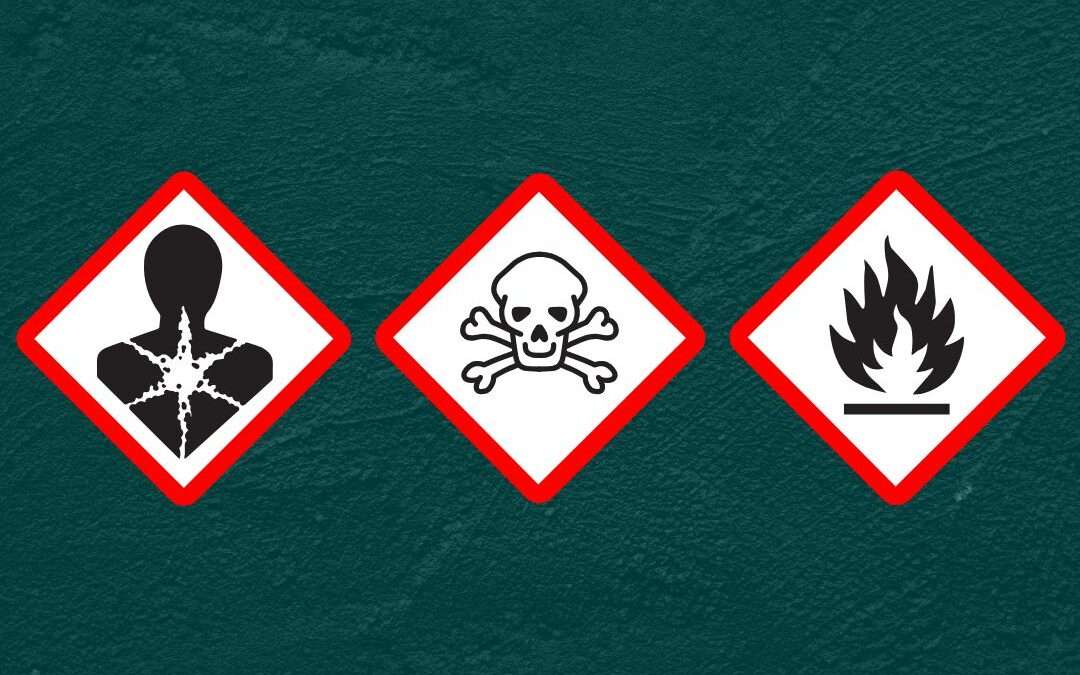
A hazard symbol (also known as a hazard pictogram and hazard label) is a pictorial icon that highlights the risk of chemicals that may expose the user to health, environmental, fire or explosion hazards. The hazard symbols are designed to be understandable for everyone. In other words, you don’t need to know chemistry to understand that a picture of a flame means “flammable”. This makes it easy to identify potential hazards, regardless of situation and language.
Where are the hazard symbols located?
The hazard symbols must be clearly marked on the product being used, and can be found on the packaging or in the safety data sheet (SDS). Sometimes the workplace may also have its own lists of hazard symbols on cabinets, containers or other storage areas, for example when storing chemicals in large quantities.
What do the hazard symbols mean?
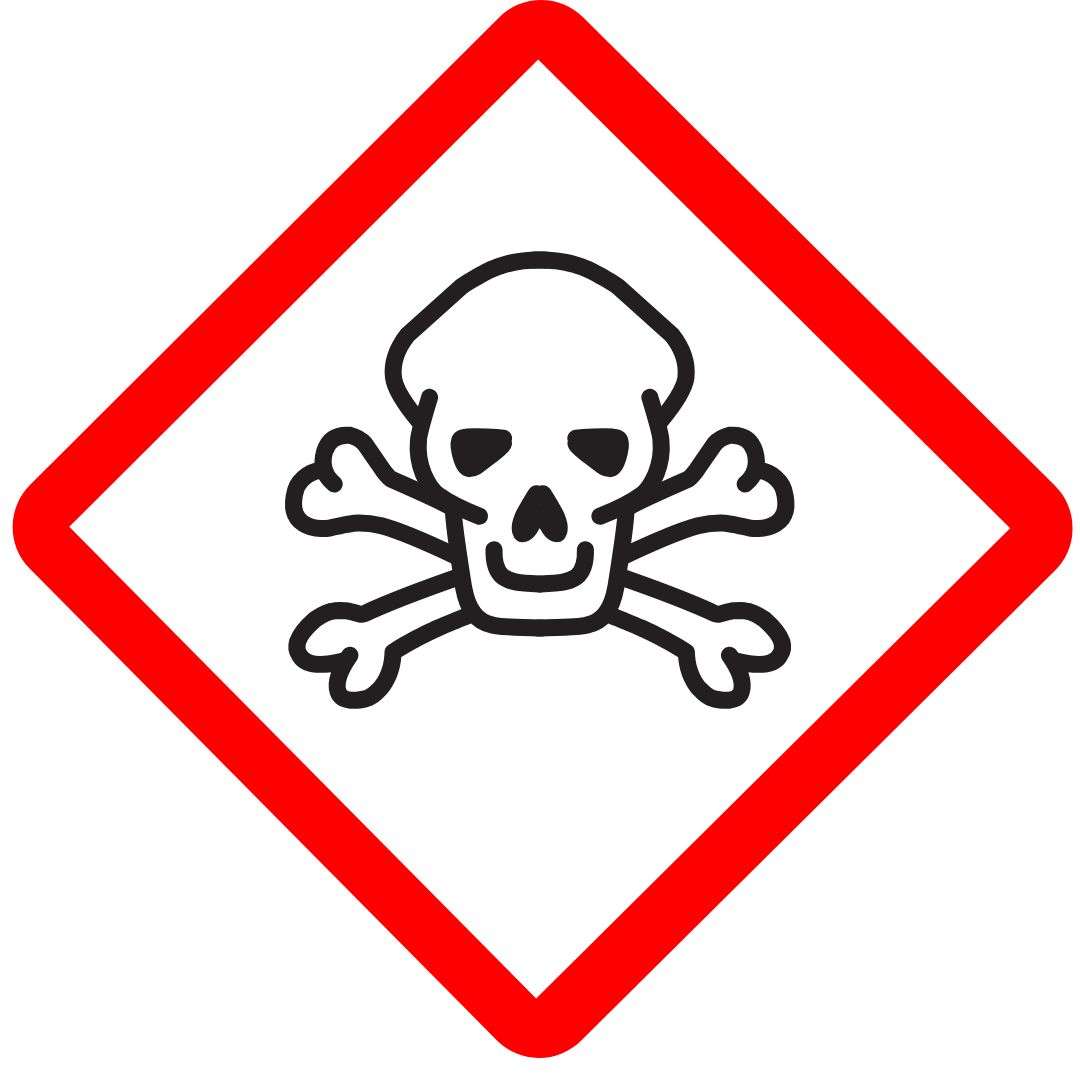
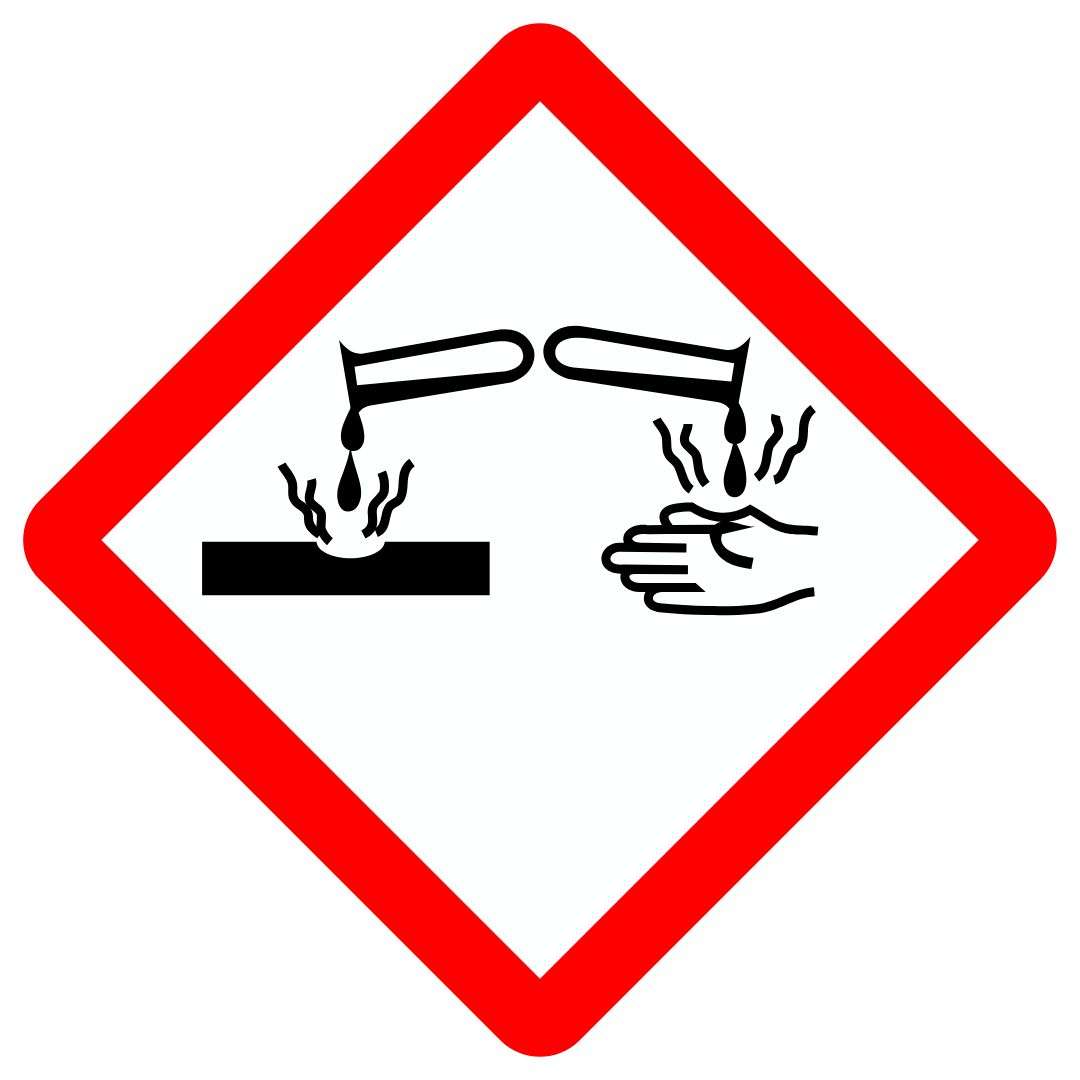
Previously, orange hazard symbols were used, but from 2015 these were replaced by red and white diamonds. Each symbol represents a specific type of chemical hazard:
Acute toxicity
May cause life-threatening injuries if swallowed, in contact with skin or inhaled.
Corrosive
May cause burns to skin and eyes or serious eye damage. Also used for chemicals that may be corrosive to metals.
Health hazard
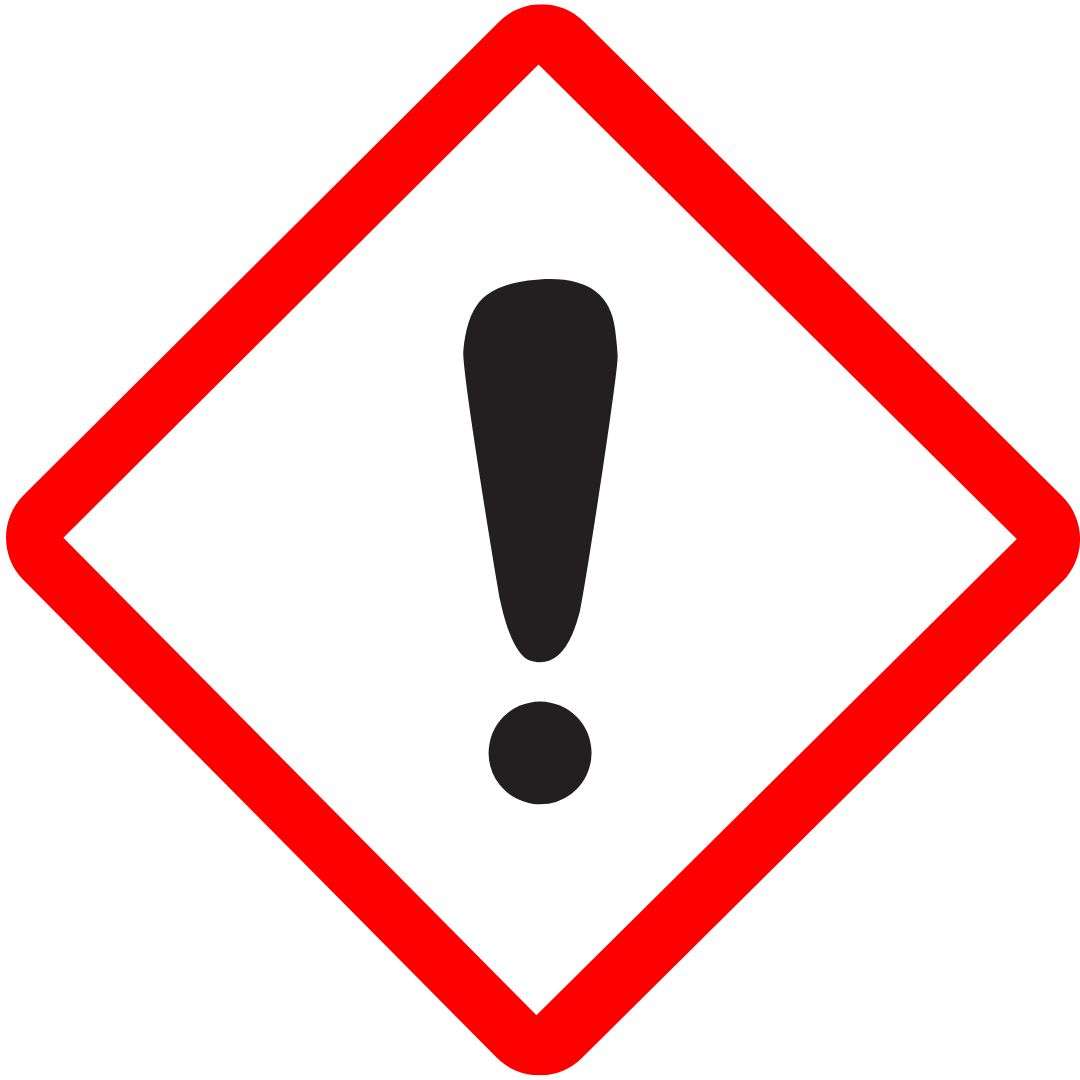
May cause irritation to the skin, eyes and respiratory tract, allergic skin reactions, drowsiness and dizziness.
Chronic health hazard
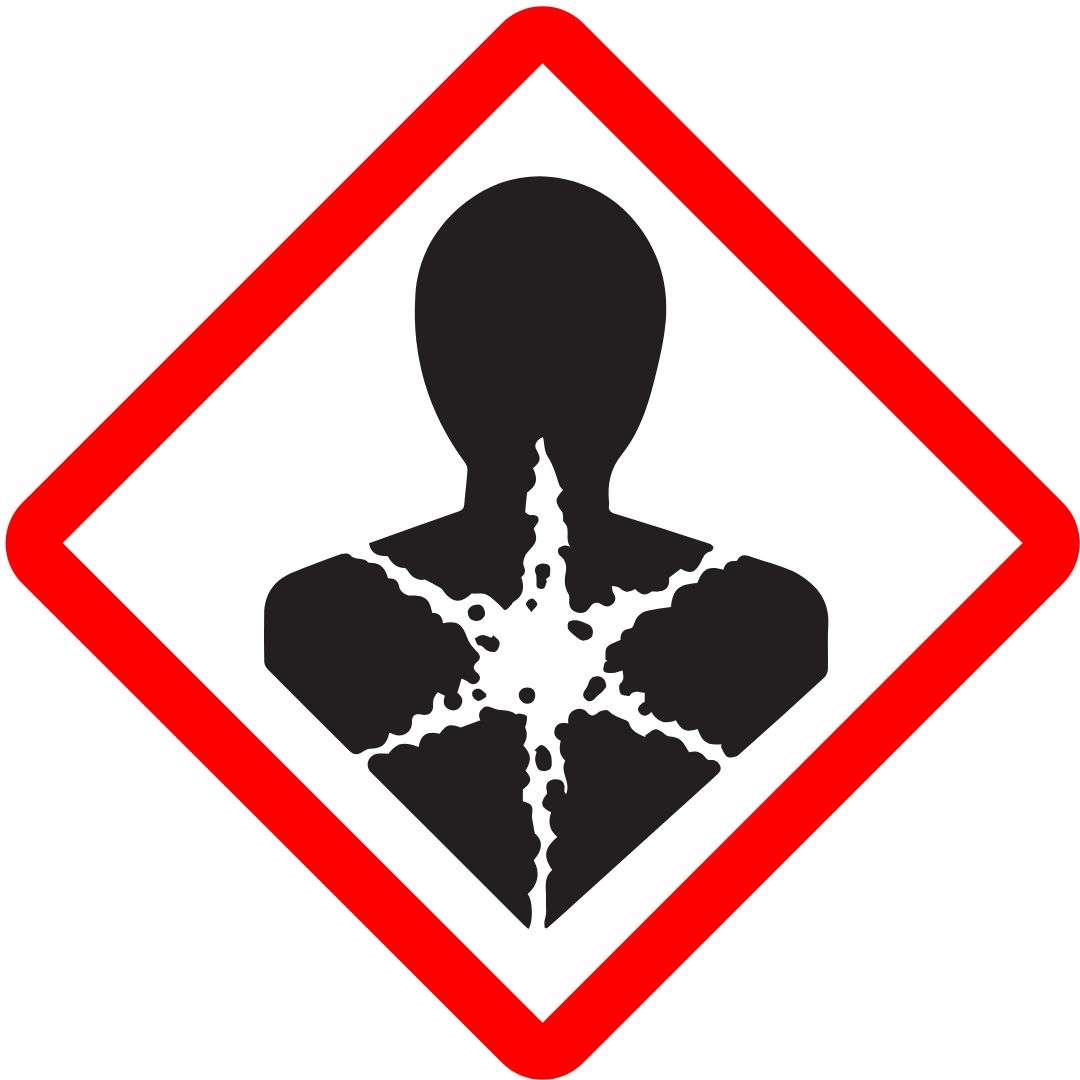
May cause cancer, genetic damage, reduced fertility, birth defects, inhalation allergy, chemical pneumonia or other serious health effects.
Environmental hazard
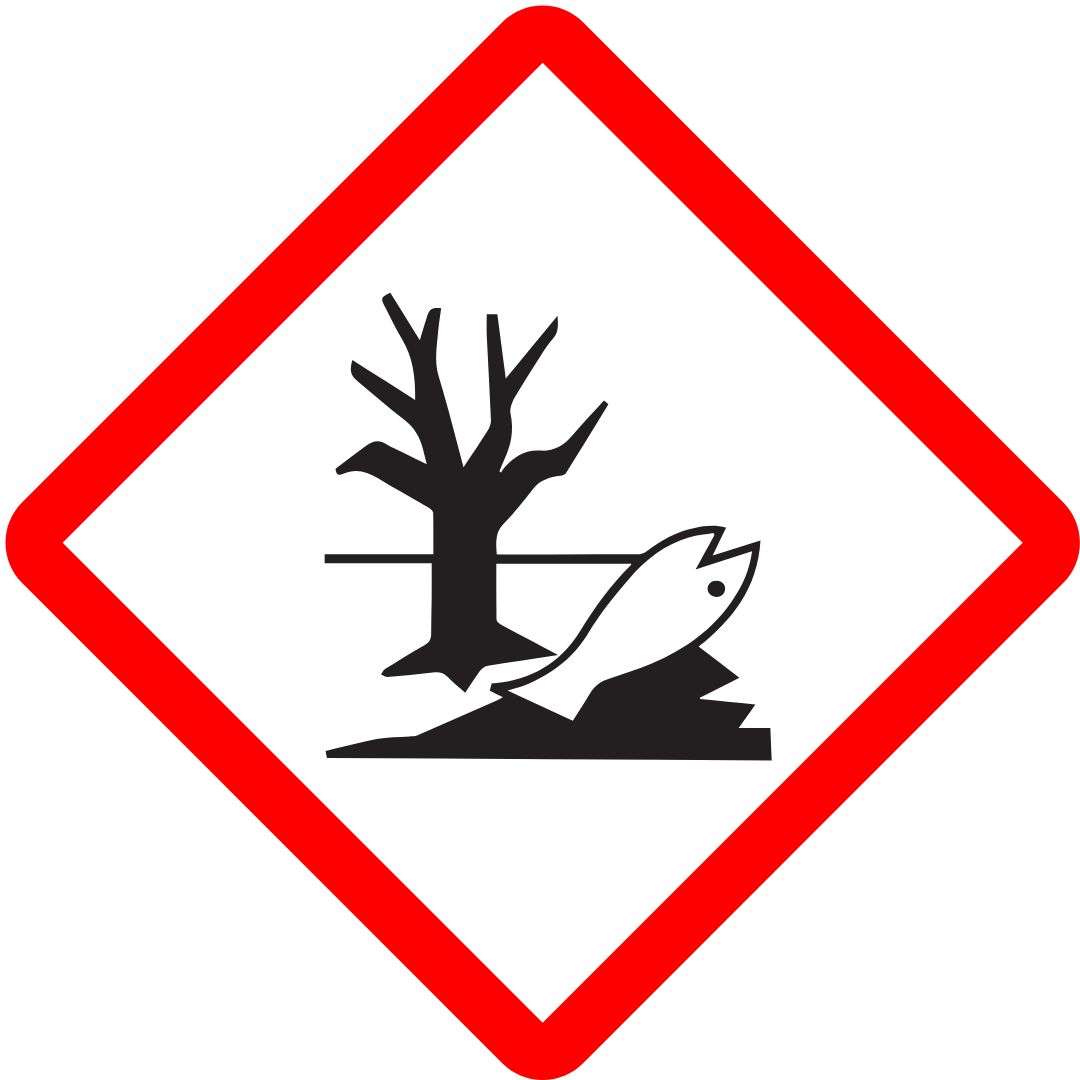
Can be acute or long-term toxic, and/or cause long-term damage because the substance is persistent and bioaccumulative. Must be handled so that the product, either in use or as waste, does not harm nature.
Explosive
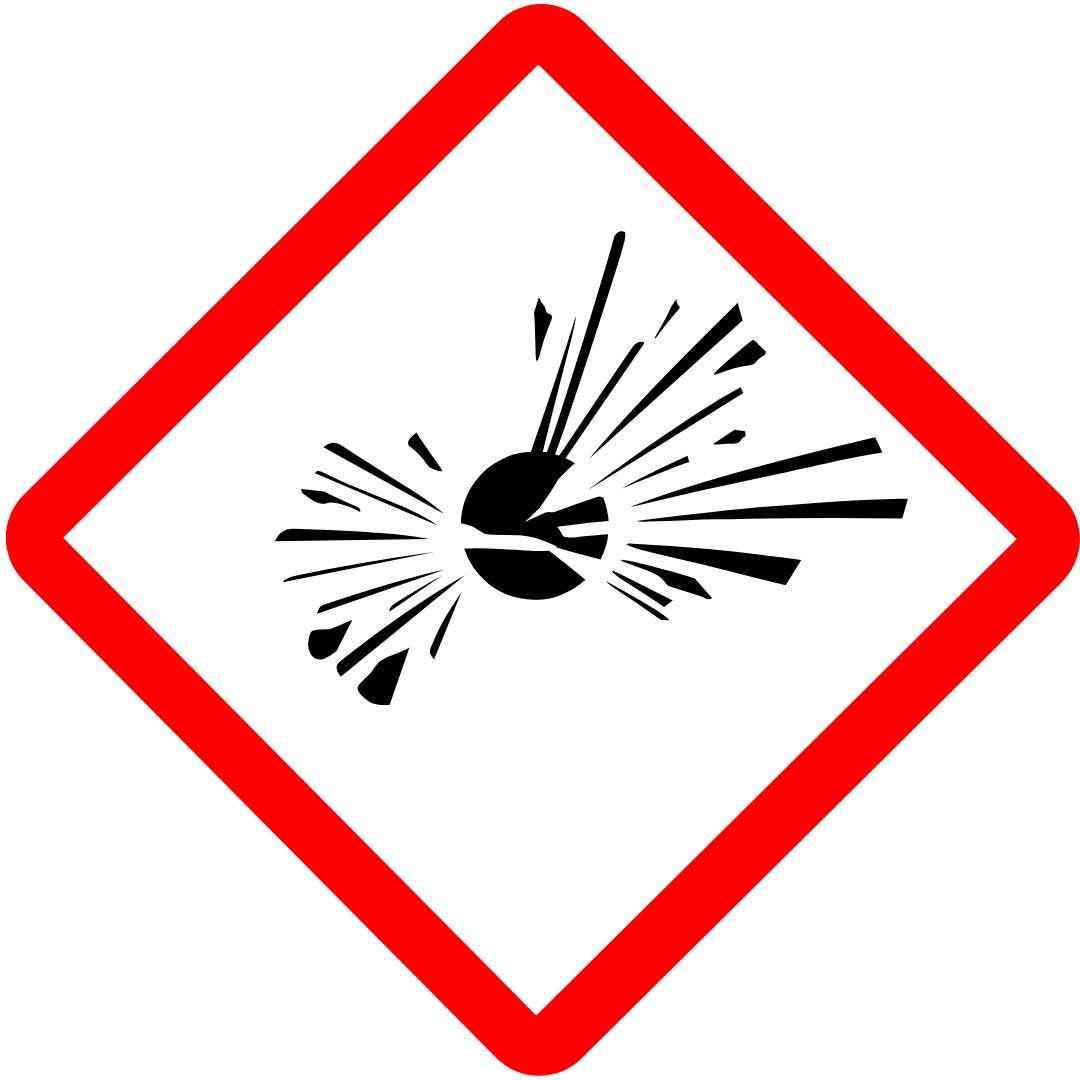
May explode on impact, friction, sparks or heat.
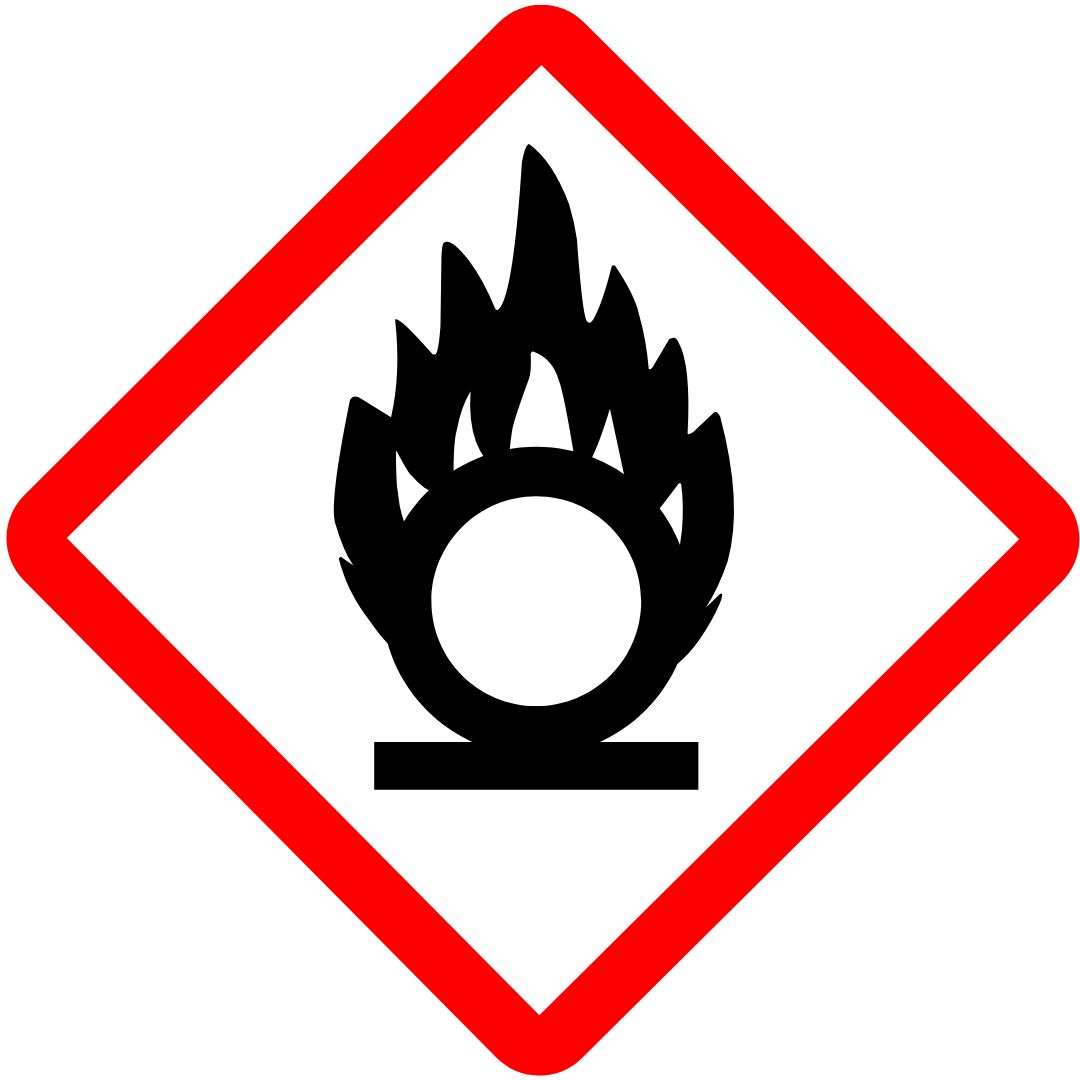
Oxidising
May cause fire or contribute to the combustion of other materials.
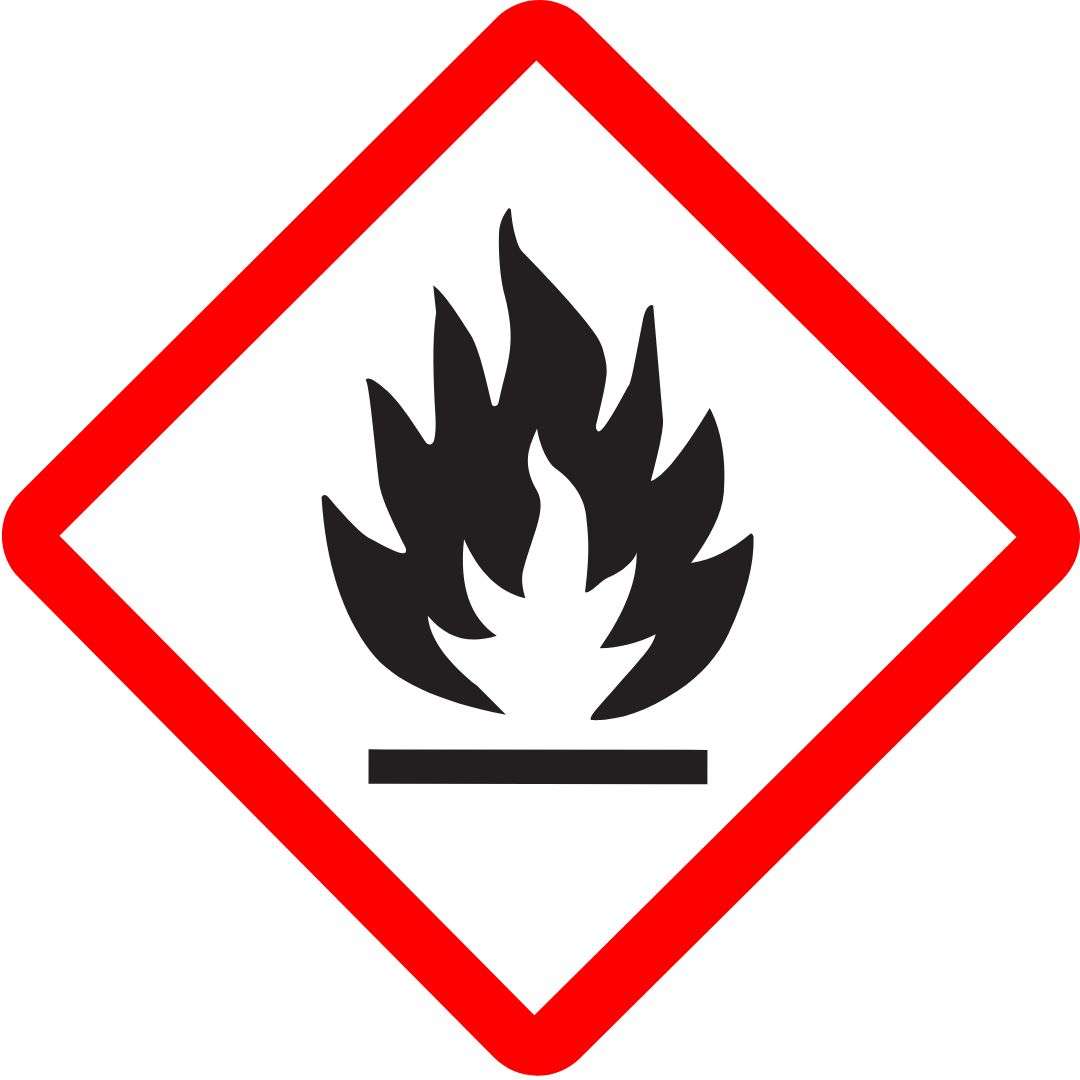
Flammable
Can ignite easily and burn violently. Some chemicals produce flammable gas in contact with water or self-ignite in air.
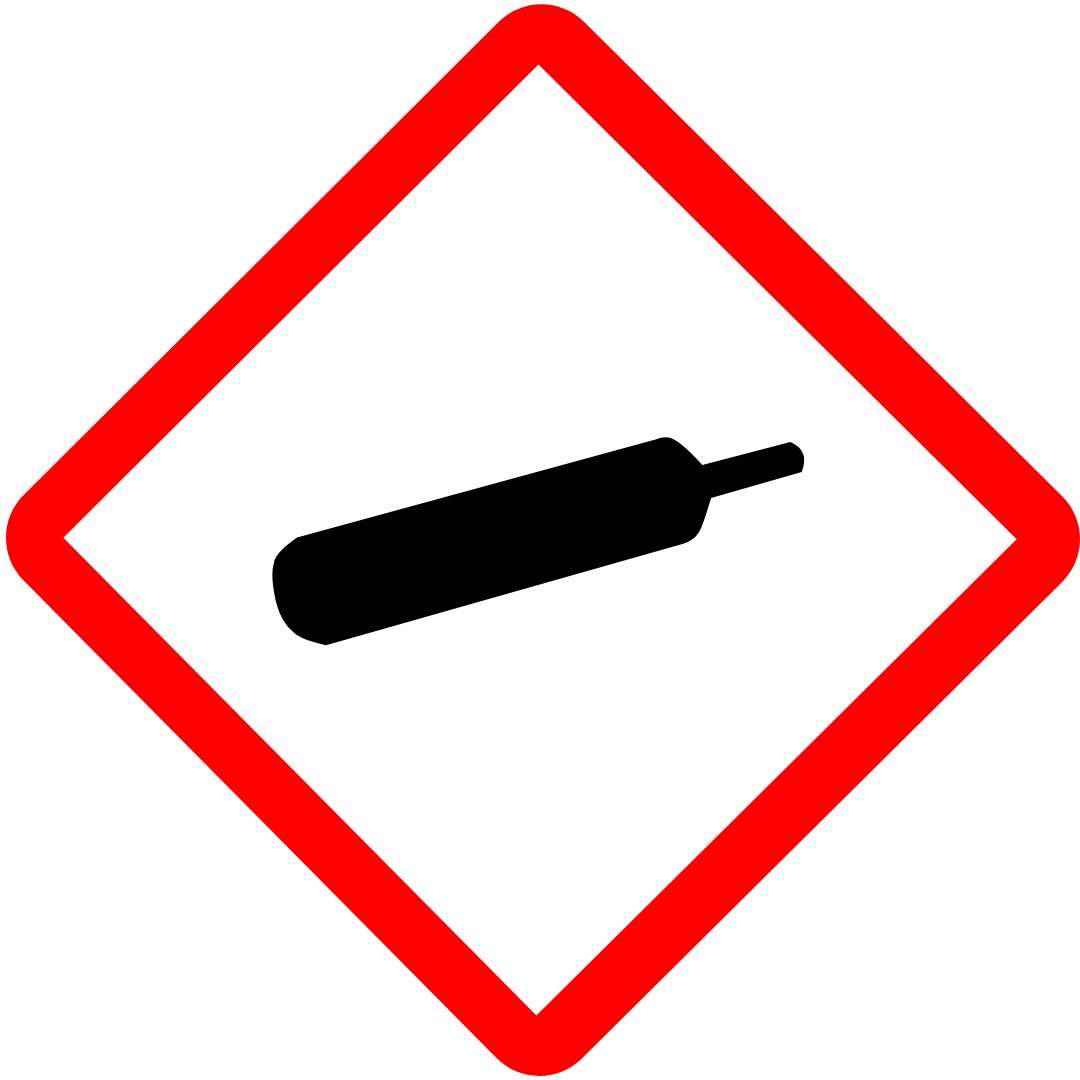
Gas under pressure
Container with pressurised gas or extremely low temperature. May explode in case of external fire.
How to handle hazard symbols?
Hazardous chemicals must be labeled with a hazard label that provides information about hazards and necessary precautions. Among other things, the label must contain a hazard symbol, warning words and hazard and safety phrases (H and P phrases).
If you notice a hazard symbol on a product, you must take extra precautions. This may involve:
Always read the hazard label before use
Check SDS for more information
Follow the instructions carefully
Use the right protective equipment
Ensure sufficient ventilation
Avoid mixing incompatible chemicals
Wash hands, clothes and equipment thoroughly after use
If swallowed or poisoned, contact poison control or emergency services
International laws and regulations
Most European countries follows the CLP regulation (Classification, Labelling, and Packaging), which is based on the global system GHS (Globally Harmonized System and Classification and Labelling of Chemicals). CLP ensures that chemical hazards are clearly communicated through standardized symbols, signal words, and safety statements. In addition, the REACH regulation (Registration, Evaluation, Authorisation and Restriction of Chemicals) also applies within the European Union.
Outside the EU, many countries have implemented or are aligning with GHS-based classification and labelling systems. However, the specific regulatory frameworks, registration requirements, and enforcement practices vary between jurisdictions.
Companies must therefore ensure compliance with the applicable chemical control legislation in each country where their products are manufactured, imported, distributed, or used.
Important: In addition to regional frameworks, national and local regulations may apply. Individual countries may have supplementary requirements related to storage, transport, workplace safety, environmental protection, or reporting obligations. It is essential to verify compliance with all applicable laws in the relevant market.
Hazard symbols are not just little red icons on a label. They are the key to understanding and following chemical regulations. When employees know the symbols, read the labels and follow the instructions, they contribute to a safer working day in line with national and international requirements.
In addition, the hazard symbols provide a common recipe for how chemicals should be described and labeled, no matter where in the world they are used. This makes communication easier, provides a better overview in the workplace and ensures that everyone speaks the same “language” about chemicals.
Waste management and waste declaration of hazardous chemicals require more than just sorting at source – they require careful planning, proper handling and clear documentation. Here we have gathered the basics you need to know about safe handling and declaration of hazardous waste.
Why safe handling of chemical waste is important
Chemical waste is not like other waste. It may contain hazardous substances that are flammable, corrosive, toxic, reactive and/or harmful to the environment. Many accidents occur after chemicals have been used, when they are stored or disposed of incorrectly.
A thorough risk assessment should always form the basis and include hazards related to storage, transport, interim storage and disposal. Such risk management is an important part of the organisation’s health, safety and environment (HSE) work.
Chemical waste is not only a workplace risk; it can also have a significant impact on the environment. Improper handling can lead to contamination of soil, water and air, and create long-term environmental consequences.
Classification and labelling of waste
It is important that all classified chemical waste is labelled correctly before it is stored or sent to a receiving facility. This includes, among other things:
Identification of the type of substance (e.g. corrosive, flammable or toxic)
Use of appropriate packaging that can withstand the contents
Clear labelling with contents, date, responsible person and hazard pictograms
Separation of incompatible substances (e.g. acids and bases)
Waste declaration
Waste declaration is the process by which organisations report the types and quantities of hazardous waste they generate. Its purpose is to ensure traceability and the safe handling of waste from its point of origin through to final treatment.
In many countries, organisations that produce hazardous waste are required to deliver it to an authorised collection or treatment facility and complete a waste declaration in advance. This is often done through a national or digital reporting system before the waste is transferred.
Roles, responsibilities and training
It must be clearly defined who is responsible within the organisation. This will often be an HSE manager or subject specialist with overall responsibility for chemical handling and waste declaration.
Everyone who handles hazardous waste must have the necessary training in chemical safety, procedures and emergency preparedness. This should form part of the organisation’s systematic HSE work.
Checklist: Safe waste management and waste declaration
Make sure you can tick off these points. Then you are well on your way to ensuring safe and efficient waste management:
Use appropriate packaging (e.g. sealed, labelled and compatible with the chemical)
Clear labelling of chemical waste
Ensure correct interim storage of chemicals
Complete waste declaration before delivery
Establish fixed routines for emptying and handling
Carry out regular risk assessments
Provide employees with adequate training
Document and track your waste
Ensure sufficient ventilation and containment in the waste area
Have emergency preparedness and protective equipment available
Safe handling and correct waste declaration of hazardous chemicals require planning, proper procedures and clear documentation. When this is an integrated part of HSE work, the risk of accidents is reduced and the organisation ensures both compliance with regulations and responsibility for people and the environment.
Improper storage of chemicals and hazardous substances increases the risk of accidents, environmental damage and, in the worst case, regulatory breaches. Here we have gathered some of the most common challenges related to chemical storage, and how you can ensure safe chemical management in your organisation.
Inadequate labelling and documentation
One of the most widespread challenges is incorrect or inadequate labelling of products. When hazard symbols and labels are missing or difficult to read, it can lead to confusion or incorrect handling of chemical substances. Therefore, make sure that hazardous chemicals are labelled with clear hazard labels in accordance with CLP regulations, and that safety data sheets (SDS) are updated at all times.
Unsuitable storage conditions
Unsuitable storage conditions can create dangerous situations. Many chemicals can react to heat, moisture or direct sunlight, increasing the risk of leaks, explosions or fire. Therefore, ensure that chemicals are stored at the correct temperature, not in overheated rooms or near heat sources or machinery, and that storage areas have adequate ventilation.
Lack of overview of flammable and explosive substances
Many organisations lack a consolidated and up-to-date overview of flammable and explosive substances. This can make it difficult to assess risks, control storage quantities and ensure appropriate preventive measures. Without a good overview, the risk of incorrect storage, undetected ignition sources and inadequate emergency preparedness in the event of fire or explosion increases.
Insufficient training and safety and emergency procedures
Even the best chemical management systems are of little use if employees do not know how to use them. Lack of training can lead to incorrect handling, especially in the event of leaks or incidents. Therefore, ensure that clear procedures are in place for risk assessment, chemical handling and emergency situations, and that all employees receive the necessary training.
Outdated or inadequate equipment
If equipment is old, worn or no longer suited to the chemicals being stored, the risk of hazardous situations increases. Ensure that there are fixed routines for inspection, maintenance and replacement of equipment, and that employees have the correct protective equipment for their work.
Incorrect waste handling
Improper handling of chemical waste can lead to environmental damage and fire hazards. Unfortunately, many organisations lack clear procedures for how hazardous waste should be collected, labelled and stored. Therefore, ensure you have a clear waste management plan, use approved containers and label waste correctly. Waste collection should be arranged with certified waste management companies.
Storage of incompatible chemicals
Certain chemicals must never be stored together, as they can react dangerously with each other. Incorrect co-storage is one of the most common causes of serious accidents. Therefore, divide storage areas by substance type and hazard class. Use separate cabinets or rooms, and label clearly to prevent dangerous chemical reactions.
Examples of incompatible substances:
Acids and bases
Oxidising substances and flammable liquids
Chlorine and ammonia
Manual systems
Many organisations still use manual systems or unclear Excel lists for chemical management. This can increase the risk of errors, lack of updates and poor oversight. This can be avoided by implementing automated systems that provide full oversight of chemicals, documentation, storage conditions and waste management.
Digital tools can solve some of the challenges
By using a digital tool such as Workplace Safety, the company gets a comprehensive and up-to-date overview of chemicals and associated documentation. The system provides guidance on co-storage and alerts you to potential storage hazards, based on the German standard TRGS 510 for co-storage. It is also easy to look up the safety data sheet directly in the system, so requirements for handling, storage and stability are quickly available.
Chemical management is primarily about order, structure and good routines. By ensuring clear labelling, correct storage conditions, suitable equipment and simple, up-to-date systems, daily operations can become both safer and more efficient. Small improvements in routines can make a big difference.
Chemicals are a natural part of everyday working life in many businesses, but a chemical inventory are often underestimated in day-to-day HSE work. That is why we have compiled ten reasons why a chemical inventory should be given higher priority on the HSE agenda.
1. Get a complete overview of chemicals in your business
A robust chemical inventory provides a comprehensive and structured overview of all chemicals in use, where they are located, and how they are handled. This makes it easier to identify products that are no longer in use, chemicals with overlapping functions, or substances that create unnecessary risks. Such an overview is also crucial for planning, purchasing, and safe storage of chemical products.
2. Complies with legal requirements
Many countries have strict requirements for companies that use hazardous chemicals, typically anchored in occupational health and safety legislation and supporting regulations. One common requirement is maintaining an up-to-date and accessible chemical inventory, ensuring that the latest versions of safety data sheets (SDS) are readily available.
3. Strengthens internal control and documentation
The chemical inventory is a key part of the internal control system. When the company documents which chemicals are used, the hazards they pose, and the measures that have been implemented, a clear overview is created. This gives management a better basis for following up on HSE work and ensures that the company works more systematically with chemical management.
4. Ensures adequate training of employees
Employees who work with chemicals on a daily basis must have access to accurate and up-to-date information. The chemical inventory makes it possible to actively use SDS, see hazard classifications and recommended protective measures in training and practical work. When safety information is easily accessible, the risk of misuse and misunderstandings is reduced.
5. Reduces the risk of injuries and accidents
Access to updated information on health hazards, first aid, and proper handling increases safety in daily work. Many chemical accidents are caused by lack of knowledge, improper storage, or incorrect use of protective equipment. A well-maintained chemical inventory helps prevent such incidents and can reduce both health hazards and material damage.
6. Better risk assessments
The chemical inventory provides necessary information about exposure hazards, reactions, storage requirements, and risk reduction measures. This makes risk assessments more accurate and provides a better basis for choosing the right protective measures, working methods, and technical solutions. A comprehensive chemical inventory also makes it possible to monitor the development of risk over time.
7. Better preparedness for accidents and emergencies
In the event of spills, leaks, fires, or other undesirable incidents, time-critical information is crucial. The chemical inventory provides immediate access to information about first aid measures, extinguishing methods, measures in the event of accidental spills, and special handling requirements. This enables employees and emergency services to deal with the situation more quickly and effectively.
8. Simplifies substitution work
Some regulations require companies to consider less hazardous alternatives wherever possible. An electronic chemical inventory makes it easier to identify high-risk substances and compare alternatives. This makes substitution efforts more targeted and contributes to a safer working environment.
9. Streamlines operational management
A chemical inventory can save time by providing easy access to documentation and automatic updates of safety data sheets. It reduces the need for manual routines and improves workflow between departments. A more efficient workflow can lead to financial savings over time.
10. Strengthens the safety culture
When a company prioritises overview, accessible information, and clear procedures, it sends a clear signal that safety is taken seriously. An ideal chemical inventory makes it easier for employees to take ownership of HSE work and creates a culture where safe chemical handling is a natural part of the working day.
The list makes it clear that the chemical inventory is a more important HSE tool than many people may realise. When a company prioritises keeping its chemical inventory up to date and accessible, it can contribute to increased safety and quality in the workplace. That is why the chemical inventory belongs on the HSE agenda – every single day.