
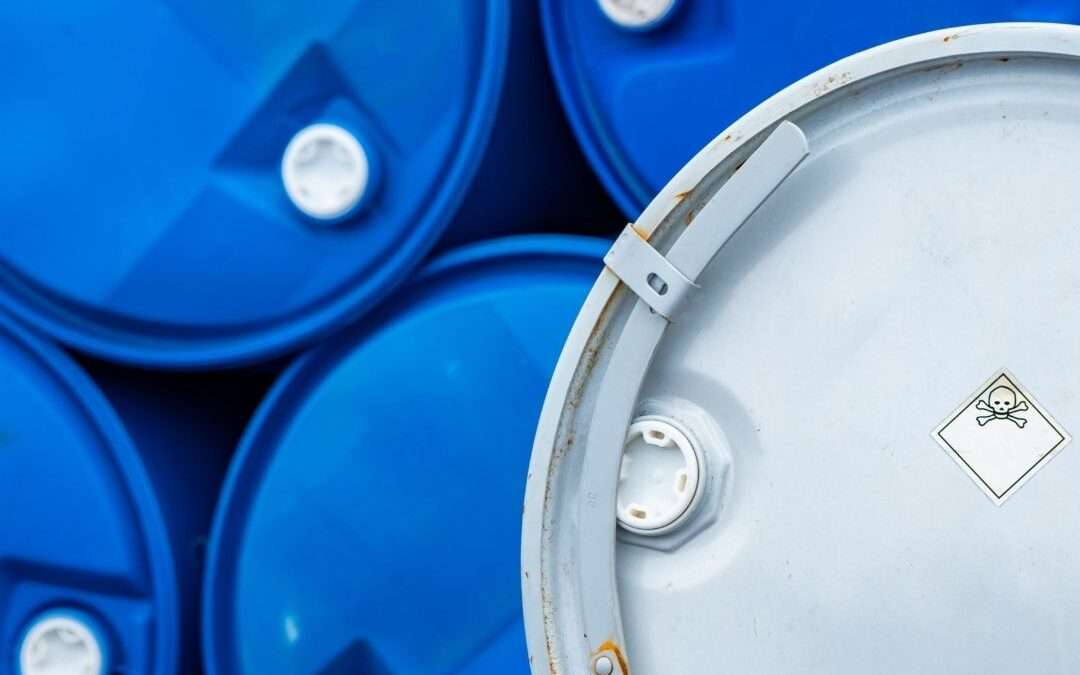
Common challenges with chemical storage – and how to avoid them
Common challenges with chemical storage – and how to avoid them
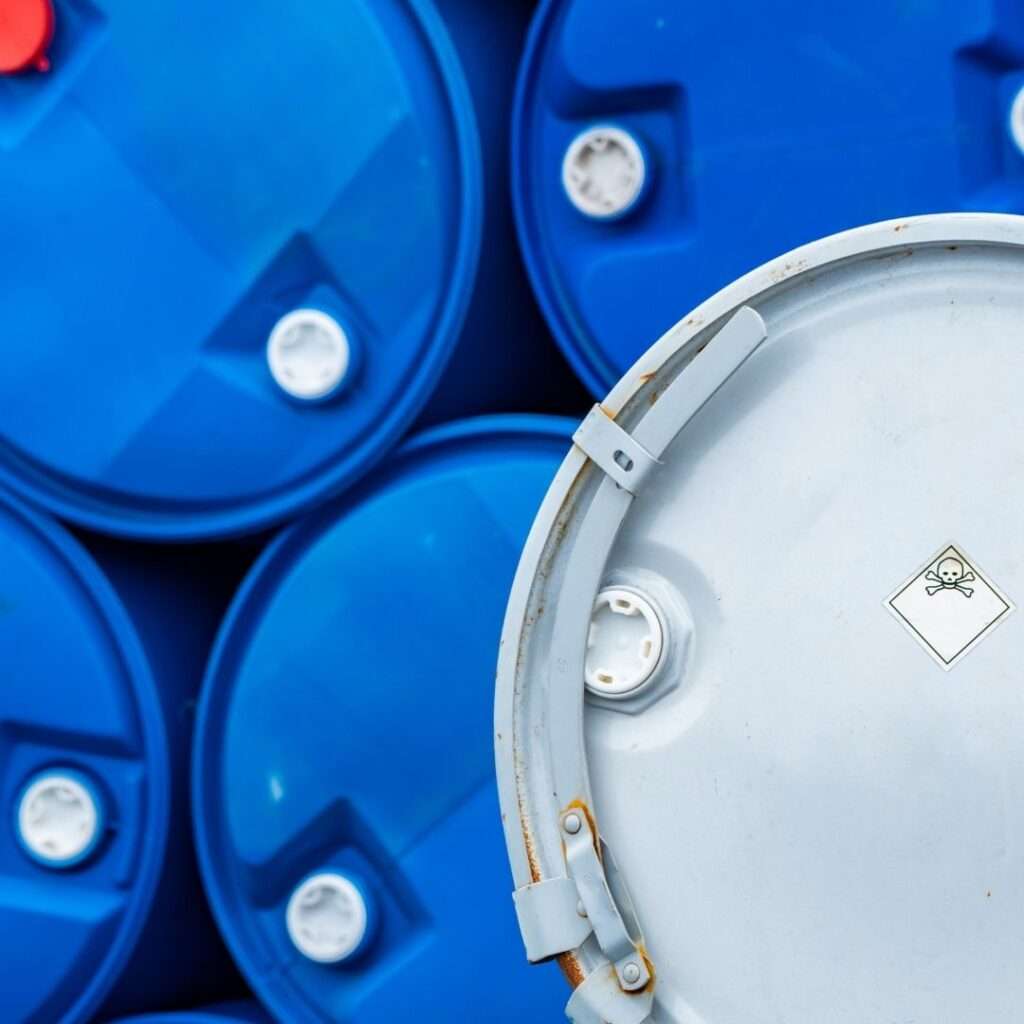
Improper storage of chemicals and hazardous substances increases the risk of accidents, environmental damage and, in the worst case, regulatory breaches. Here we have gathered some of the most common challenges related to chemical storage, and how you can ensure safe chemical management in your organisation.
Inadequate labelling and documentation
One of the most widespread challenges is incorrect or inadequate labelling of products. When hazard symbols and labels are missing or difficult to read, it can lead to confusion or incorrect handling of chemical substances. Therefore, make sure that hazardous chemicals are labelled with clear hazard labels in accordance with CLP regulations, and that safety data sheets (SDS) are updated at all times.
Unsuitable storage conditions
Unsuitable storage conditions can create dangerous situations. Many chemicals can react to heat, moisture or direct sunlight, increasing the risk of leaks, explosions or fire. Therefore, ensure that chemicals are stored at the correct temperature, not in overheated rooms or near heat sources or machinery, and that storage areas have adequate ventilation.
Lack of overview of flammable and explosive substances
Many organisations lack a consolidated and up-to-date overview of flammable and explosive substances. This can make it difficult to assess risks, control storage quantities and ensure appropriate preventive measures. Without a good overview, the risk of incorrect storage, undetected ignition sources and inadequate emergency preparedness in the event of fire or explosion increases.
Insufficient training and safety and emergency procedures
Even the best chemical management systems are of little use if employees do not know how to use them. Lack of training can lead to incorrect handling, especially in the event of leaks or incidents. Therefore, ensure that clear procedures are in place for risk assessment, chemical handling and emergency situations, and that all employees receive the necessary training.
Outdated or inadequate equipment
If equipment is old, worn or no longer suited to the chemicals being stored, the risk of hazardous situations increases. Ensure that there are fixed routines for inspection, maintenance and replacement of equipment, and that employees have the correct protective equipment for their work.
Incorrect waste handling
Improper handling of chemical waste can lead to environmental damage and fire hazards. Unfortunately, many organisations lack clear procedures for how hazardous waste should be collected, labelled and stored. Therefore, ensure you have a clear waste management plan, use approved containers and label waste correctly. Waste collection should be arranged with certified waste management companies.
Storage of incompatible chemicals
Certain chemicals must never be stored together, as they can react dangerously with each other. Incorrect co-storage is one of the most common causes of serious accidents. Therefore, divide storage areas by substance type and hazard class. Use separate cabinets or rooms, and label clearly to prevent dangerous chemical reactions.
Examples of incompatible substances:
- Acids and bases
- Oxidising substances and flammable liquids
- Chlorine and ammonia
Manual systems
Many organisations still use manual systems or unclear Excel lists for chemical management. This can increase the risk of errors, lack of updates and poor oversight. This can be avoided by implementing automated systems that provide full oversight of chemicals, documentation, storage conditions and waste management.
Digital tools can solve some of the challenges
By using a digital tool such as Workplace Safety, the company gets a comprehensive and up-to-date overview of chemicals and associated documentation. The system provides guidance on co-storage and alerts you to potential storage hazards, based on the German standard TRGS 510 for co-storage. It is also easy to look up the safety data sheet directly in the system, so requirements for handling, storage and stability are quickly available.
Chemical management is primarily about order, structure and good routines. By ensuring clear labelling, correct storage conditions, suitable equipment and simple, up-to-date systems, daily operations can become both safer and more efficient. Small improvements in routines can make a big difference.