+47 51 95 80 00 info@workplacesafety.no
Workplace Safety » Features » SDS database

SDS database

The SDS database provides access to more than 13 million Safety Data Sheets (SDS) from manufacturers and suppliers around the world.

The global SDS database makes it easy to find the right safety data sheets (SDS) for chemicals, regardless of supplier or country. This saves time, as many SDSs are already in the system and do not need to be registered manually. All SDSs follow a standard 16-point layout, providing an overview of hazards, first aid and safe handling, among other things. This structure is the same for all data sheets and provides a quick overview of available information.

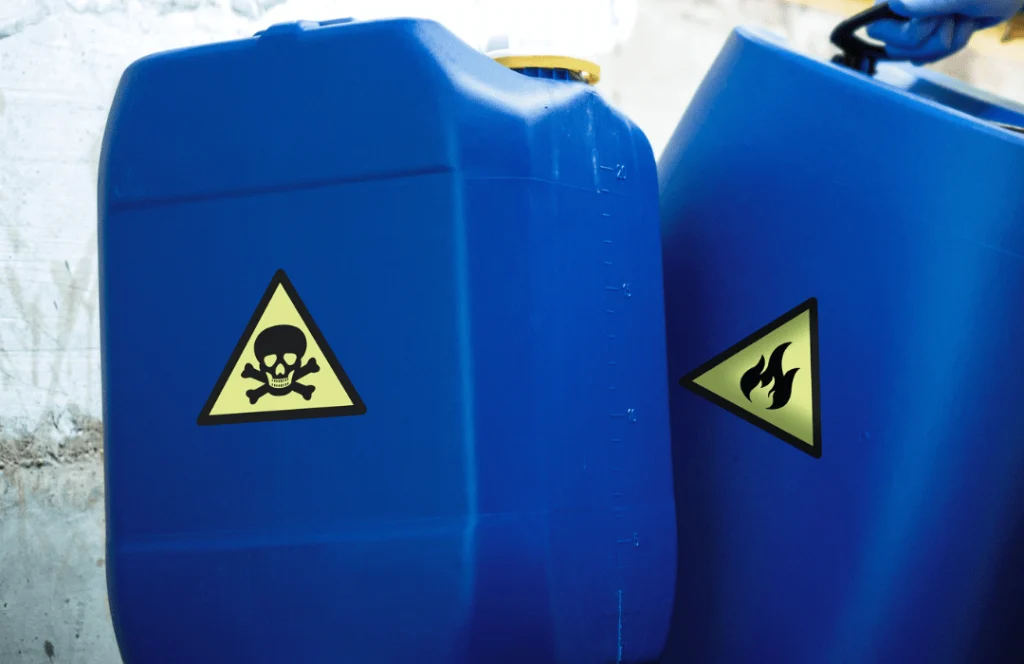
Faresymboler som kan være aktuelle i stoffkartotek og SDS

In the feature you can:

  • Quickly find information about different SDS
  • Save time by not having to enter SDS manually
  • Automatically access the latest version of SDS
  • Get notifications when revised SDS become available
  • Find SDS in multiple languages
  • Find SDS adapted to different countries and regulations
  • Upload your own PDFs that are automatically digitised

Questions about the SDS database or other features?

Explore other features

Chemical inventory

Inventory

Risk assessment

Risk assessment

Exposure

Exposure

Substitution

Substitution

Reports

Reports

Projects

Projects

Frequently asked questions (FAQ)

An SDS database is a collection of safety data sheets (SDS) that makes it easy to find and use up-to-date safety information about chemicals. The database provides structured access to SDS and simplifies searching, updating and making documentation available.

A safety data sheet (SDS) is a document, either digital or paper-based, that provides information on how chemicals should be handled, used and stored safely.

A safety data sheet consists of 16 mandatory sections:

  1. Identification (name of the substance/product and supplier)
  2. Hazard identification (health, fire and environmental hazards)
  3. Composition/information on ingredients (contents and hazardous components)
  4. First-aid measures (what to do in the event of an accident)
  5. Firefighting measures (suitable extinguishing media and protective measures)
  6. Accidental release measures (handling of spills and leaks)
  7. Handling and storage (safe procedures and storage requirements)
  8. Exposure controls/personal protection (exposure limits and protective equipment)
  9. Physical and chemical properties (appearance, odour, boiling point, etc.)
  10. Stability and reactivity (conditions that may cause hazardous reactions)
  11. Toxicological information (effects on health)
  12. Ecological information (environmental impact)
  13. Disposal considerations (waste handling)
  14. Transport information (UN number and transport requirements)
  15. Regulatory information (applicable laws and regulations)
  16. Other information (additional information and date of revision)

Safety data sheets are provided by the chemical supplier. In addition, digital solutions and databases are available that collect and make safety data sheets easily accessible for organisations, such as Workplace Safety.

In a global SDS database, you can search by product name, CAS number, supplier or article number. This makes it easy to find the correct SDS for both the product and the country or region in which it is used.

A safety data sheet must be updated when new information about the chemical becomes available, for example relating to hazards, classification, composition or recommended handling. SDS must also be revised when new or amended regulatory requirements affect its content.

There is no formal expiry date for an SDS, but as a general rule of thumb, the revision date should normally not be older than three years. To ensure SDS are always up to date, it is important to monitor regulatory changes or use a chemical management system that handles updates on an ongoing basis.

Yes, safety data sheets (SDS) should be provided in the language(s) required by national legislation so that employees can clearly understand the information.

Where employees speak different languages, relevant chemical safety information should also be made available in those languages where necessary. Requirements may vary between countries and jurisdictions.

In Europe, safety data sheets (SDS) must be prepared in accordance with the REACH Regulation and classified under the CLP Regulation.

Reliable SDS databases are available from professional providers of chemical management and HSE systems. These solutions collect safety data sheets from various manufacturers and suppliers and make them easily accessible to those who need them. For example, platforms such as Workplace Safety provide access to SDS libraries and tools for managing chemical safety information across different regulatory environments.

Organisations should ensure that any SDS database they use is appropriate for the countries in which they operate and complies with applicable regulatory requirements.

Effective maintenance involves regular review of safety data sheets, updating them when products or regulations change, and removing discontinued chemicals. Digital SDS databases, such as Workplace Safety, simplify this by collecting, structuring and updating information efficiently.

An SDS database that meets HSE requirements should comply with applicable chemical safety regulations (such as REACH and CLP in relevant regions), provide safety data sheets in the required local language(s), and ensure easy access for employees.

Digital solutions designed to support compliance in specific jurisdictions will typically meet these requirements. For example, platforms such as Workplace Safety are developed to help organisations manage SDS and chemical compliance across different regulatory environments.

Organisations should ensure that any system used is aligned with the regulatory requirements in the countries where they operate.

MSDS (Material Safety Data Sheet) is an older term for safety data sheets. Today, SDS (Safety Data Sheet) is used, as it is better aligned with international requirements and standards.

A CAS number (Chemical Abstracts Service) is a unique identification number for chemical substances. It is used globally to ensure correct identification across languages and national borders.

An EC number (European Community number) is a chemical-specific identification number used in EU/EEA chemical registers and is linked to the REACH and CLP regulations.

No, safety data sheets (SDS) must be adapted to national legislation and, where applicable, regional requirements. Even within shared regulatory frameworks, there may be differences between countries, for example in relation to national exposure limits and additional occupational health and safety provisions.

Globally, chemical classification and labelling are based on the Globally Harmonised System (GHS). However, implementation of GHS, as well as any additional requirements, may vary between jurisdictions. For example, different regulatory frameworks apply in regions such as the European Union/EEA and the United States.

A global SDS database can provide access to SDS versions adapted to different countries and markets, while the core content is generally based on the same underlying principles.