
Chemical management: 10 tips for a safer workday
Chemical management: 10 tips for a safer workday
Are you responsible for HSE and chemical management in your organisation? Here are 10 tips to help make your working day a little safer.
1. Create a clear chemical inventory
Make sure that your company has a chemical inventory that provides a complete overview of all hazardous chemicals in the workplace. Here, employees can easily see where the chemicals are located and what hazards they can cause.
2. Easily accessible safety data sheet
All chemicals must have an updated safety data sheet (SDS) with information on chemical handling, hazards, protective equipment and first aid measures. Therefore, make sure that these data sheets are easily accessible to employees (e.g. via QR code, on mobile/tablet), so that they can be actively used in the daily operation.
3. Training in safety practices and procedures
Employees must receive thorough training in the company’s safety routines and procedures. This can include everything from risk assessment to the choice and use of protective measures. If there are no clear guidelines for handling chemicals, the employer must ensure that such guidelines are established quickly and that employees receive adequate training in them.
According to the Labor Inspection Authority, training can include:
- Hazardous chemicals in the workplace, their names, risks and limits
- Use of chemical inventory, risk assessments and changes to these
- Correct use of work equipment
- Necessary protective measures for safe execution
- Managing disruptions and emergencies
4. Clear labeling and storage
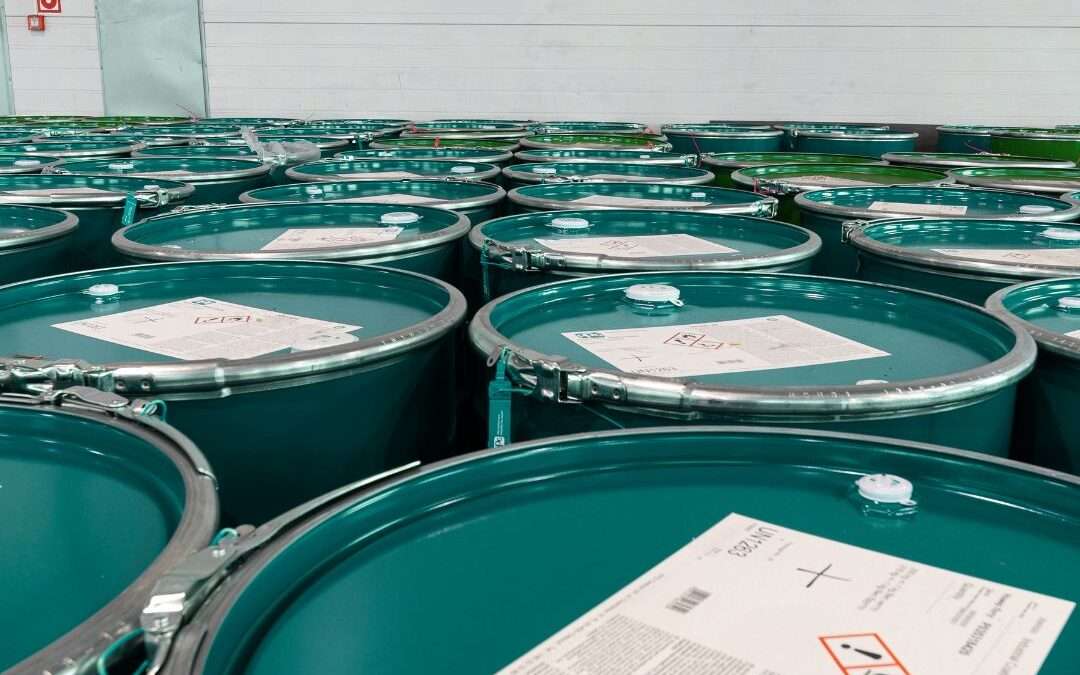
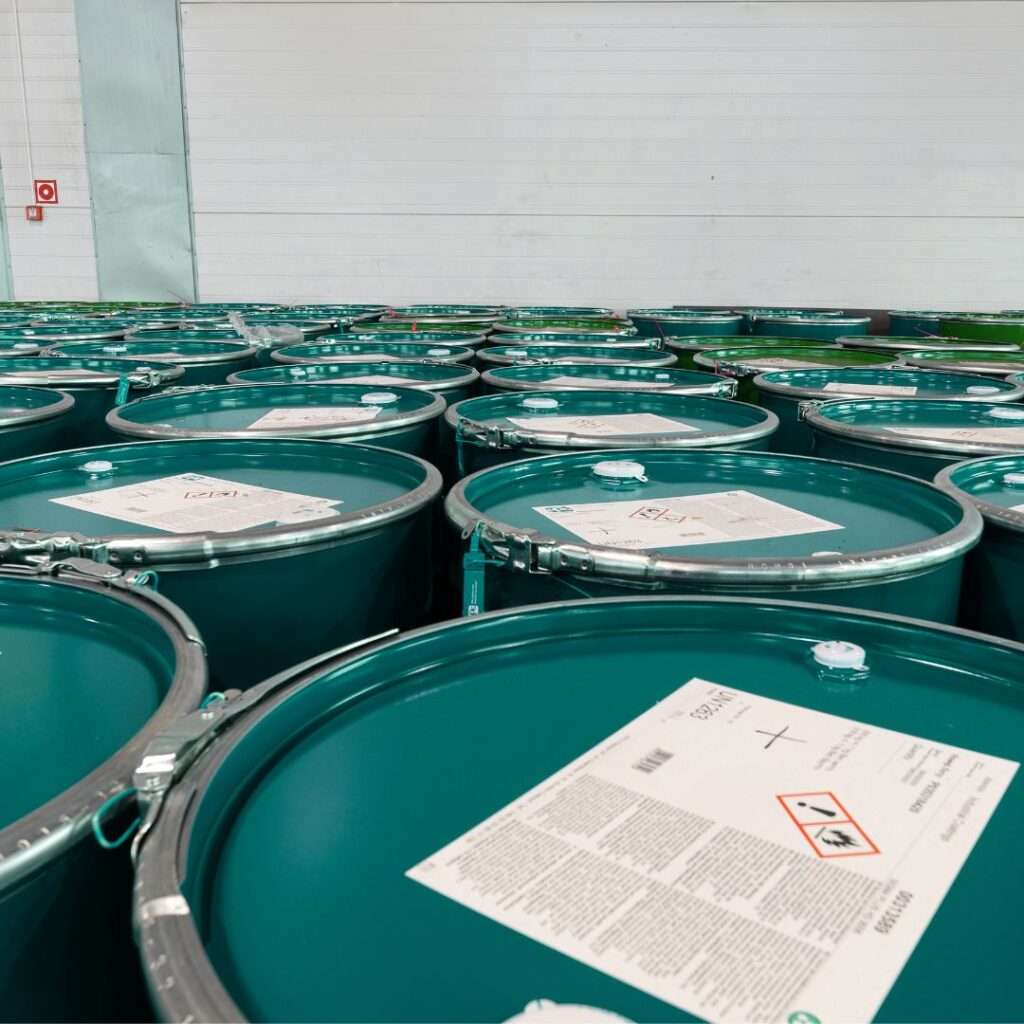
All chemical products must be labeled with names and hazard symbols in accordance with the CLP regulations, and stored properly. This may involve storage in separate cabinets or rooms. For particularly hazardous chemicals, it may be necessary to lock cabinets or restrict access so that only qualified personnel have access.
5. Customised protective measures
Safety measures must always be adapted to the actual use of the chemicals and the specific work operation.
Examples of measures can be:
- Spot extraction and fume cupboards
- Sufficient general ventilation
- Process-adapted ventilation when needed
- Correct labeling and signage
- Secure storage solutions
- Restricted access
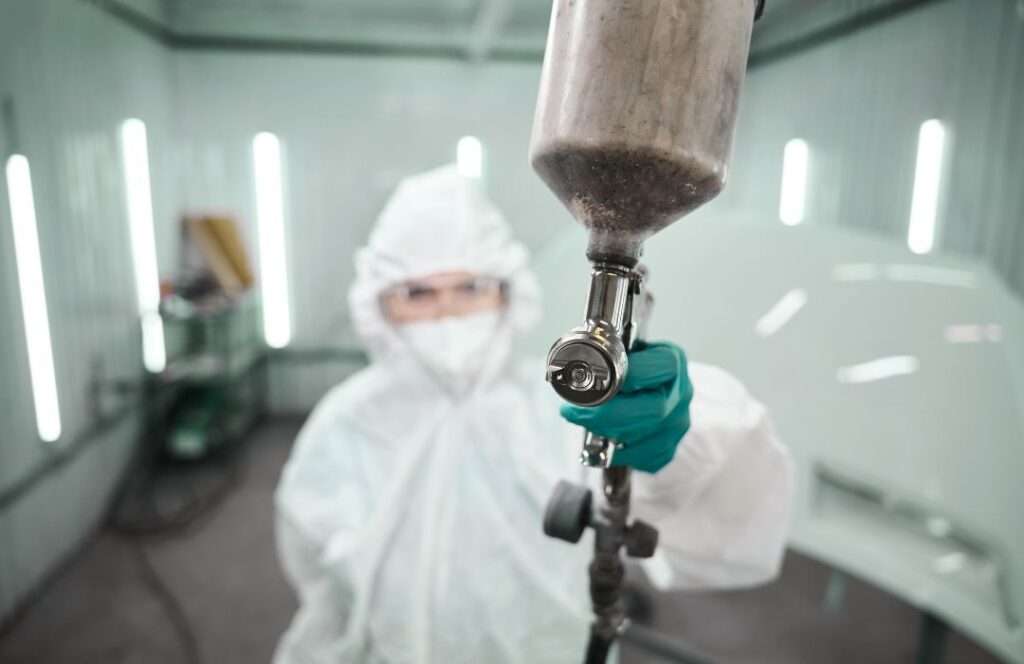
- Protective gloves and goggles
- Respiratory protection
- Emergency response equipment
6. Follow established regulations
Working with chemicals is regulated by several laws and regulations, including the Working Environment Act, Regulations on the Performance of Work, and the REACH and CLP regulations. Be sure to follow these regulations carefully as violations can lead to fines and orders, but more importantly, compliance contributes to fewer accidents and a safer working environment. The Norwegian Labor Inspection Authority and the Norwegian Environment Agency regularly publish guidelines and updates that can be useful to follow.
7. Consider alternative chemicals
Always consider whether hazardous chemicals can be replaced with less hazardous alternatives(substitution). This reduces risk and is part of the substitution obligation. If your business uses a chemical management system, it can often provide automatic suggestions for safer alternatives.
8. Digitise documentation
A chemical inventory can be kept both on paper and digitally, but digital solutions often provide a better overview and ease of use. When documentation is digitised, it becomes easier to search for chemicals, update safety data sheets and share information across departments. Many systems also offer functions such as automatic notification of expired SDSs, suggestions for substitution and integration with risk assessments and internal control. A great idea is therefore to gather all documentation digitally in one place.
9. Revise and improve
Safe handling of chemicals is not a one-off task, but a continuous process as part of the company’s systematic HSE work. New chemicals, changed work routines or updated laws and regulations may require adjustments to routines and measures. Therefore, the company should regularly review the chemical inventory, safety routines and risk assessments to ensure that they are still relevant.
10. Involve your employees
Involve employees in chemical management and auditing work, as they have practical experience that can contribute to better solutions. When the people who actually work with chemicals are actively involved, you create both better routines and a stronger safety culture.
Safe chemical handling is about combining well-structured routines and systems with the right equipment and active employee involvement. By following these 10 tips, your business can reduce risk, prevent accidents and contribute to a safer working environment.