Chemical Inventory: What it is and its requirements
A chemical inventory is a legally required overview of hazardous chemicals and a central part of a company’s health and safety (HSE) management. The inventory provides employees with quick access to safety data sheets (SDS), risk assessments and information on safe handling in line with current regulations. Here you will find a clear explanation of what a chemical inventory is, the legal requirements that apply in Europe, and how to get started.
What is a chemical inventory?
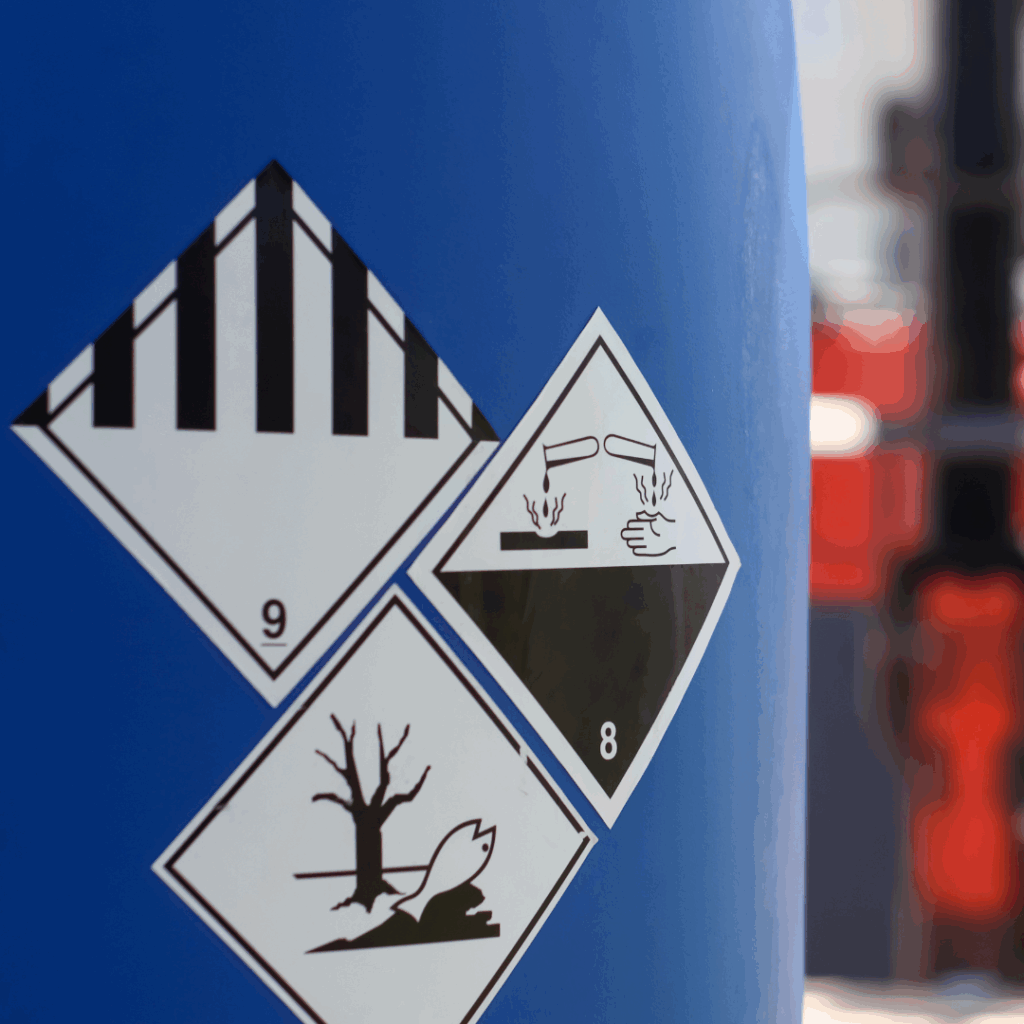
A chemical is considered hazardous if it is classified under European legislation as posing a health hazard, physical hazard or environmental hazard. A chemical inventory is a collection of necessary information about hazardous chemicals in the workplace, including safety data sheets.
The purpose of a chemical inventory is to make it easy for employees to find relevant information for safe and efficient handling of chemicals. The safety data sheets provide guidance on both preventive measures – such as the use of protective equipment, correct storage and handling routines – and reactive measures in the event of accidents, such as spills, fires or exposure to chemicals. In this way, the chemical inventory serves as a practical tool both in day-to-day HSE work and in emergency situations.
A chemical inventory is mandatory for companies that handle hazardous chemicals. The requirements are based on regulations from the European chemical legislation REACH and the CLP Regulation.
What should a chemical inventory contain?
As a minimum, the chemical inventory must contain:
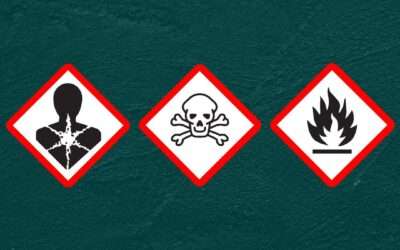
- Chemical overview with names, classification, hazard symbols and updated SDS for hazardous chemicals
- Information sheets for non-classified chemicals in the workplace, such as pharmaceuticals, welding fumes and other process-generated chemicals
- Risk assessments of the chemicals with preventive measures
Who is responsible for the inventory?

Both the employer and the employee have certain responsibilities, but it is the employer who is primarily responsible for creating and maintaining the chemical inventory.
The employee’s responsibility:
- Use personal protective equipment in accordance with the information in the chemical inventory and the SDS
- Familiarise themselves with the contents of the SDS before using new chemicals
- Follow instructions for storage, labelling and disposal of hazardous substances
- Participate actively in risk assessments where required
- Help prevent accidents by reporting hazardous conditions or near misses
- Ensure safe handling to protect themselves and their colleagues
The employer’s responsibility:
- Identify and maintain an overview of the chemicals used in the business
- Carry out risk assessments when using hazardous chemicals
- Ensure that SDS are available in the language needed and updated in accordance with current legislation
- Update the chemical inventory when new chemicals are introduced or when regulations change
- Ensure substitution of hazardous chemicals where possible (replace with less hazardous alternatives)
- Verify that employees have access to and understand the information in the chemical inventory
- Implement necessary protective measures based on the SDS
- Ensure regular review and revision of the chemical inventory
Common challenges
Lack of quality control of SDS
For many companies, keeping their chemical inventory up to date is a challenge. Data sheets or chemical overviews may be out of date, resulting in incorrect or incomplete information. This weakens HSE work and can lead to both orders and fines from the authorities.
Difficult to find information
In the past, it was a requirement that the chemical inventory should be on paper. Many companies still use physical binders, which results in a lot of manual work. Regardless of the format, the MSDS can contain large amounts of information that can be difficult to navigate without good routines and adequate training.
Benefits of a digital chemical inventory
A digital chemical inventory can make day-to-day work easier for those responsible for chemical management. When all safety data sheets and risk assessments are gathered in one system, there is no need to search through binders or separate folders. It also becomes easier to add new products when they are purchased and to remove or archive chemicals that are no longer in use.
Many digital solutions provide notifications when a safety data sheet has been updated by the supplier, making it easier for the companies to keep information aligned with the latest available version. Search functions and filtering options make it quicker to find the correct product and the relevant protective measures. In addition, employees can access the chemical inventory via mobile phone or tablet while working on site, which can be helpful when information is needed quickly.
A digital chemical inventory does not in itself ensure effective health and safety performance, but it can support a more organised, consistent and systematic approach to managing chemicals in the workplace.
Get started with a digital chemical inventory

An effective chemical inventory starts with clear procedures for purchasing and systematic HSE work, as described in the company’s management system. Ensure that roles and responsibilities are clearly defined so that the chemical management system is followed up and maintained.
- Map the chemicals: Get an overview of all chemicals present in the workplace
- Build structure: Organise your chemical inventory to reflect how and where chemicals are stored
- Enter information: Register the chemicals and retrieve approved safety data sheets, preferably through an easy-to-use chemical management system (such as Workplace Safety)
- Make the information accessible: Make sure that all employees who handle chemicals have easy access to the chemical inventory
- Keep your inventory up to date: Add new chemicals when purchasing, and archive products you no longer use
An up-to-date chemical inventory gives your company control over the chemicals it uses and is a legal requirement to prevent damage to health and the environment. With a digital and automated chemical system, it is easier to ensure that the information is always up-to-date, correct and accessible.